How to Cast Your Military Absentee Ballot: Step-by-Step Guide for Service Members

With early voting already underway in several locations, the clock is ticking on voting in this year’s midterm elections. The process is unchanged from years past, with three exceptions covered below. Election Day is November 3, so here’s what military service members and their families need to know when voting absentee this year.
Generally, all US citizens who are eighteen years old or older and have registered to vote are eligible to vote in the November 3, 2026 elections. The Uniformed and Overseas Citizens Absentee Voting Act (UOCAVA) is the law that ensures service members, their eligible family members, and overseas citizens are able to vote in federal elections.

Military Absentee Ballot: Steps for Deployed Service Members
To vote absentee, you must first request an absentee ballot. Voters can request an absentee ballot on the Federal Voting Assistance Program (FVAP) website fvap.gov. The unit Voting Assistance Officer often has a supply of absentee ballot requests. Since states run elections and generally administer them at the local level, knowing which state you are registered in is key.
The process is simple:
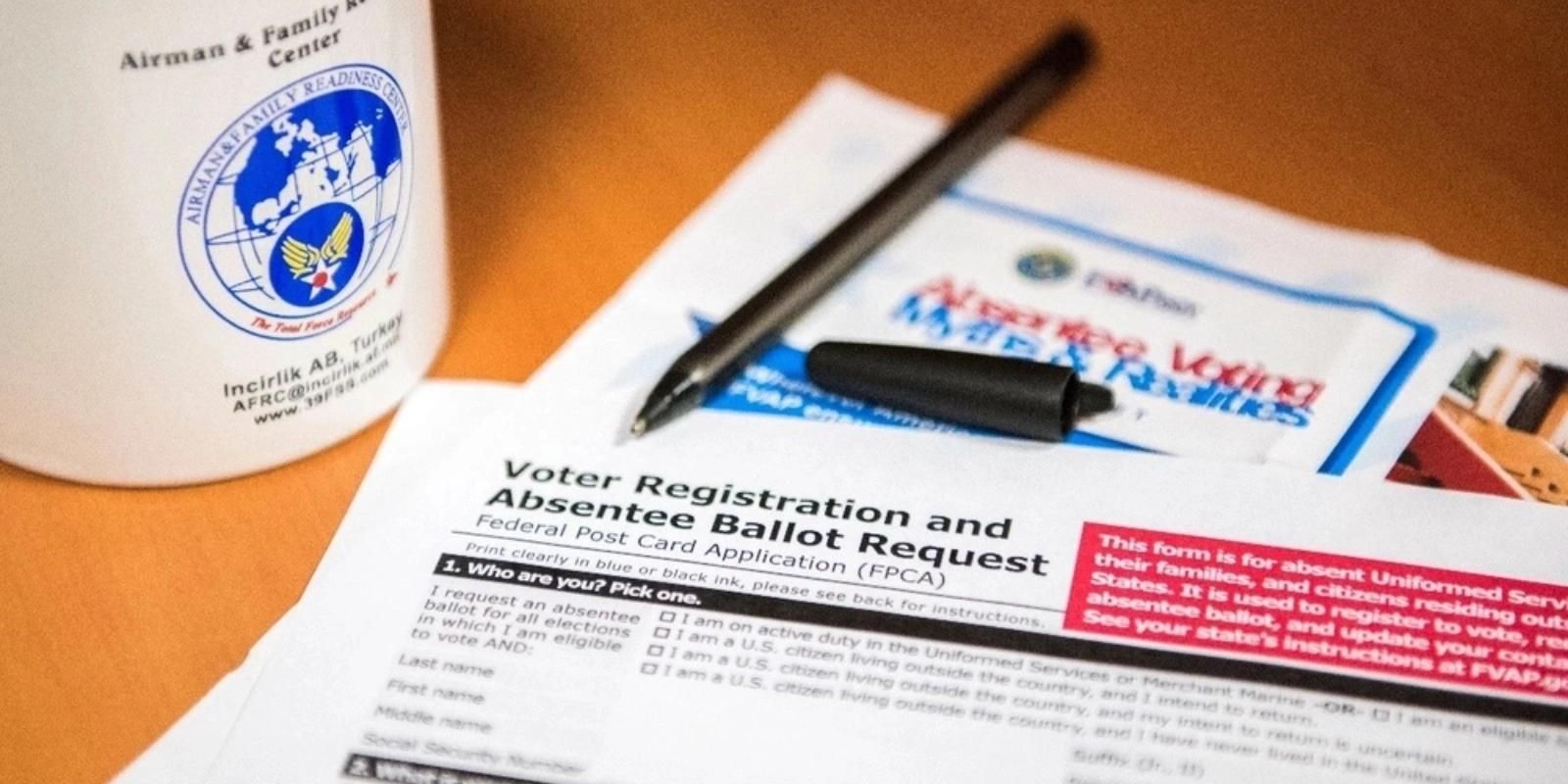
- Fill Out the Federal Postcard Application (FPCA). You can download a PDF version, get a hard copy from your voting assistance officer, or fill it out online.
- Seal the FPCA and Mail It to Your Local Election Office: Your local election office is the local you have chosen as your home. It is important to check with the election clerk’s office in the jurisdiction where you vote to understand how you can transmit your ballot application. The most common way to transmit your application is by mail, but some election offices accept email or have online forms. If you don’t know how to contact your local election officials, you can request the contact details from your voting assistance officer, or go to fvap.gov.
- Receive Your Absentee Ballot: You will receive a blank ballot from election officials after your FPCA has been processed. You can also ask to have your ballot sent to you via email under Section 5 of the FPCA.
- Fill Out Your Ballot With Your Votes. Then sign, seal, and send the ballot back: Return your ballot to your state before the deadline after casting and signing it. Some States accept the ballot by email or fax, while some require that it be sent by mail. Make sure that you check the requirements with your local election office to avoid any issues.
What's New This Cycle?
There are a few changes in this year’s process: the FPCA form has been revised, the Supreme Court has the receipt deadlines states may enforce, and the DoD-wide “stand down” for voter registration and training.
The FPCA form has been revised to eliminate a category under the “Who are you?” section. The fourth choice, "I am a U.S. citizen living outside the country, I have never lived in the United States," has been dropped. If this affects you, it’s best to check with the local election officials for guidance. The full-SSN requirement for New Mexico, Tennessee, and Virginia carries over, now in Section 6, so be sure to check the instructions on the form and with your local election officials.
Receipt deadlines are set by the states, and a recent Supreme Court case, Watson v. RNC, held that States may count ballots mailed before election day but received afterwards according to State law. Mississippi is one of 30 States that count at least some absentee ballots postmarked/mailed by election day. Writing for the majority, Justice Barrett wrote, “The electorate’s choice is made when voting is complete, not when ballots are received.” Voters should always know what the law is in their State and try to get their ballot in as soon as possible.
The last change for this year was the DoD-wide stand down by October 15 to facilitate service members' opportunity for voting training and FPCA submission.

What Happens If You Don’t Get Your Ballot?
If all else fails, there is a backup: The Federal Write-In Absentee Ballot (FWAB). If you requested but did not receive an absentee ballot, you can download the FWAB form and send it in. The FWAB is analogous to a provisional ballot cast in person when registration or eligibility cannot be confirmed immediately. Local election officials will verify the voter’s eligibility and that the ballot meets State requirements.
Your unit voting assistance officer should be your first stop, but all the information and forms are available online at fvap.gov.
Continue Reading
Military Voter Registration: Steps for Service Members
PCS Resources
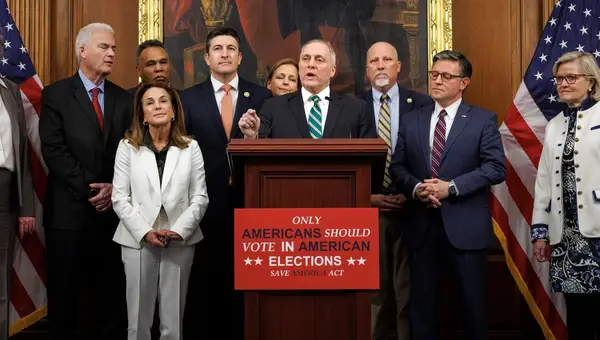
The SAVE Act: How New Voting Laws Could Impact Service Members & Families
Information
Join the Conversation

BY MICKEY ADDISON
Military Affairs Analyst at VeteranLife
Air Force Veteran
Mickey Addison is a retired U.S. Air Force colonel and former defense consultant with over 30 years of experience leading operational, engineering, and joint organizations. After military service, he advised senior Department of Defense leaders on strategy, readiness, and infrastructure. In additi...
Credentials
Expertise
Mickey Addison is a retired U.S. Air Force colonel and former defense consultant with over 30 years of experience leading operational, engineering, and joint organizations. After military service, he advised senior Department of Defense leaders on strategy, readiness, and infrastructure. In additi...