
VA Overhaul Accelerates as 27 Bills Hit Congress: Lawmakers Raise New Concerns Over Veteran Care Access

Appointment wait times, scheduling delays, or staff shortages; pick a complaint and take a number. Depending on who you ask, odds are you’ll first hear a complaint from veterans about the level of care and access to it they have experienced, before you hear a compliment.
While Congress debates a sweeping set of reform bills, the VA is moving ahead with internal changes that reach deep into staffing, structure, and how care is delivered across the country.
Two efforts are unfolding at the same time, though they are not fully aligned.
Lawmakers are considering at least 27 bills tied to VA reform, spanning healthcare access, workforce policy, and oversight. At the same time, VA officials have described their internal effort in public statements and testimony as one of the most significant reorganizations in decades.
Congress Advances VA Reform as Internal Changes Move Ahead
The volume of legislation signals pressure on a system that has struggled to keep pace.
Lawmakers said during a recent House and Senate oversight committee hearing, that staffing shortages, uneven access to care, and aging infrastructure remain persistent challenges. Those hearings have focused on whether the VA can meet shifting demand as veteran populations change across regions.
But those questions are being asked after operational decisions are already underway inside the department. That order of events is starting to draw scrutiny. Some lawmakers have begun pressing the question as to whether Congress is shaping the overhaul—or stepping in after key changes are already in motion.

Inside the VA: Vacancies Targeted, Roles Consolidated & Care Delivery Shifting
VA leadership has framed the reorganization as a correction, cutting administrative drag and redirecting resources toward patient care. Plans include targeting roughly 25,000 vacant positions, consolidating certain functions, and shifting personnel toward areas where veteran populations are growing.
VA officials have said those moves are intended to better align staffing with demand, not reduce access to care. On paper, that holds, but inside the system, it’s much less clean.
Workload doesn’t disappear when a position goes unfilled. It shifts, absorbed by remaining staff, deferred, or stretched across teams already operating near or past capacity.
“I used to love my job here, but every single day it's more difficult to understand why we don’t have the support we need to care for our veterans,” explained one Nurse Practitioner at the VA.
“Contact your patient advocate and tell them what you’re experiencing. The more voices who act, the louder they become, and loud gets hard to ignore.”
It doesn’t take much to strain a system like this. Consider the double, sometimes triple duty carried by employees, and anyone can understand why the structure is crumbing. It’s been fractured for years.
Military Benefits Eligibility Checker
Answer a few questions to discover which military and VA benefits you or your family may be eligible for.
10 questions · ~2 min
Early Pressure Points Are Beginning to Surface
Concerns raised during oversight hearings have centered on how much strain the system can absorb as those changes take hold. Lawmakers said during oversight discussions that eliminating unfilled roles may still carry operational consequences, particularly in facilities where staffing gaps already exist. T
he issue is not just headcount, it’s continuity, experience, and the informal systems that keep care moving when demand outpaces structure.
VA leadership has pushed back on suggestions that care will be disrupted, maintaining that the reorganization is designed to strengthen, not strain, the system.

Where Veterans Live Could Shape How They Receive Care
VA officials have said staffing and resources will be shifted toward regions with higher concentrations of Veterans. The goal is to achieve alignment by moving care where demand is growing. That move raises a harder question still. What happens in the places left behind?
During oversight discussions, lawmakers have raised concerns about whether access could narrow in regions that lose personnel or services as resources are redistributed. There is no finalized national map outlining what the system will look like once those changes are complete.
Only direction verification is that movement is already underway.
The Accountability Question Is Sharpening as the Structure Changes
As administrative layers are reduced, attention is turning to what remains in place to monitor performance and enforce accountability. Some lawmakers and advocates have questioned whether streamlining the system could also thin oversight mechanisms tied to quality control and internal review.
VA officials have rejected that framing, arguing that modernization requires eliminating inefficiencies that do not directly support care. Disagreement around that approach is growing. Not whether change is necessary, but how much structure can be removed before visibility into the system begins to fade. Where that line is actually drawn is still being tested.
The System Is Shifting Before the Outcome Is Settled
The legislative process will take time. Bills will move, stall, and change shape. The VA’s restructuring is already happening. Staffing decisions, position eliminations, and resource shifts have already been actively redefining how the system operates, without waiting for final policy to catch up.
The VA doesn’t get to test changes quietly at this scale. If something slips, Veterans will feel it first. Not policymakers, and not leadership. And by then, it won’t read like reform.
Continue Reading

Veterans ACCESS Act 2025: Potential Healthcare Impact
Veteran Benefits

Big Changes for Veterans? A Closer Look at 2025 Veteran Bills & Their Impact
Veteran Benefits
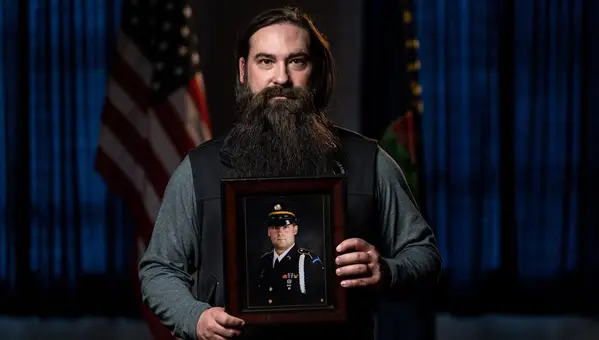
"I Won’t Be Here in Six Months”: A Veteran’s Breaking Point and the ACCESS Act’s Push to Fix the VA
Veteran Benefits
Join the Conversation

BY NATALIE OLIVERIO
Veteran & Senior Contributor, Military News at VeteranLife
Navy Veteran
Natalie Oliverio is a Navy Veteran, journalist, and entrepreneur whose reporting brings clarity, compassion, and credibility to stories that matter most to military families. With more than 100 published articles, she has become a trusted voice on defense policy, family life, and issues shaping the...
Credentials
Expertise
Natalie Oliverio is a Navy Veteran, journalist, and entrepreneur whose reporting brings clarity, compassion, and credibility to stories that matter most to military families. With more than 100 published articles, she has become a trusted voice on defense policy, family life, and issues shaping the...