PTSD in Veterans: 5 Simple Ways to Support Someone You Care About

Understanding how to support a Veteran dealing with Post-Traumatic Stress Disorder (PTSD) can be hard for some families to recognize, as PTSD isn’t always visible.
You might feel that there are times when everything is normal, and then suddenly something feels off. This is when uncertainties creep in, as you might feel you’re doing everything to support them, yet it still feels like it’s not enough. From there, you might be wondering what actually helps make PTSD in Veterans more manageable.
Community support doesn’t need to be perfect. It does not require grand gestures. It’s often the small, steady actions that can make every day a little more manageable for our Veterans. In this blog, you’ll learn how to support a Veteran with PTSD in five different ways.
1. Understand PTSD in Veterans
PTSD in Veterans doesn’t always look the way people expect. Most of the time, you can’t even see it, so it’s important to know what kind of disorder this is.
Post-Traumatic Stress Disorder (PTSD) is a mental health condition that can develop after someone has experienced or witnessed a traumatic event. In military life, service members are frequently in an environment where there’s high pressure and stress. This could be exposure to combat, hearing loud blasts, or the heavy responsibility of keeping other people safe.
How Veterans react to these extreme situations during service doesn’t automatically go away when they return home, mainly because PTSD changes how the brain reacts to stress. When the body and mind get used to a constant state of high alert, the brain adapts over time; that’s why even in the simplest situations in civilian life, they could feel overwhelmed internally.
2. Learn Their Triggers
PTSD in Veterans is heavily characterized by triggers. They are not always easy to spot and don’t always make sense right away. The experience of PTSD varies from person to person, so learning about their triggers can help you notice a pattern to watch for.
Triggers can come from the simplest things. For example, hearing fireworks, sudden loud noises, or the discomfort of crowded areas can be a trigger for someone experiencing PTSD.
Military Benefits Eligibility Checker
Answer a few questions to discover which military and VA benefits you or your family may be eligible for.
10 questions · ~2 min
As you learn your loved one's triggers, helping them manage and navigate those environments can make a big difference. You can guide them to a setting that aligns with their current comfort level. Adjustments don’t have to be obvious. At the end of the day, understanding and anticipating their triggers can help them mitigate the severity of an episode.
3. Simply Show Up and Be There for Them
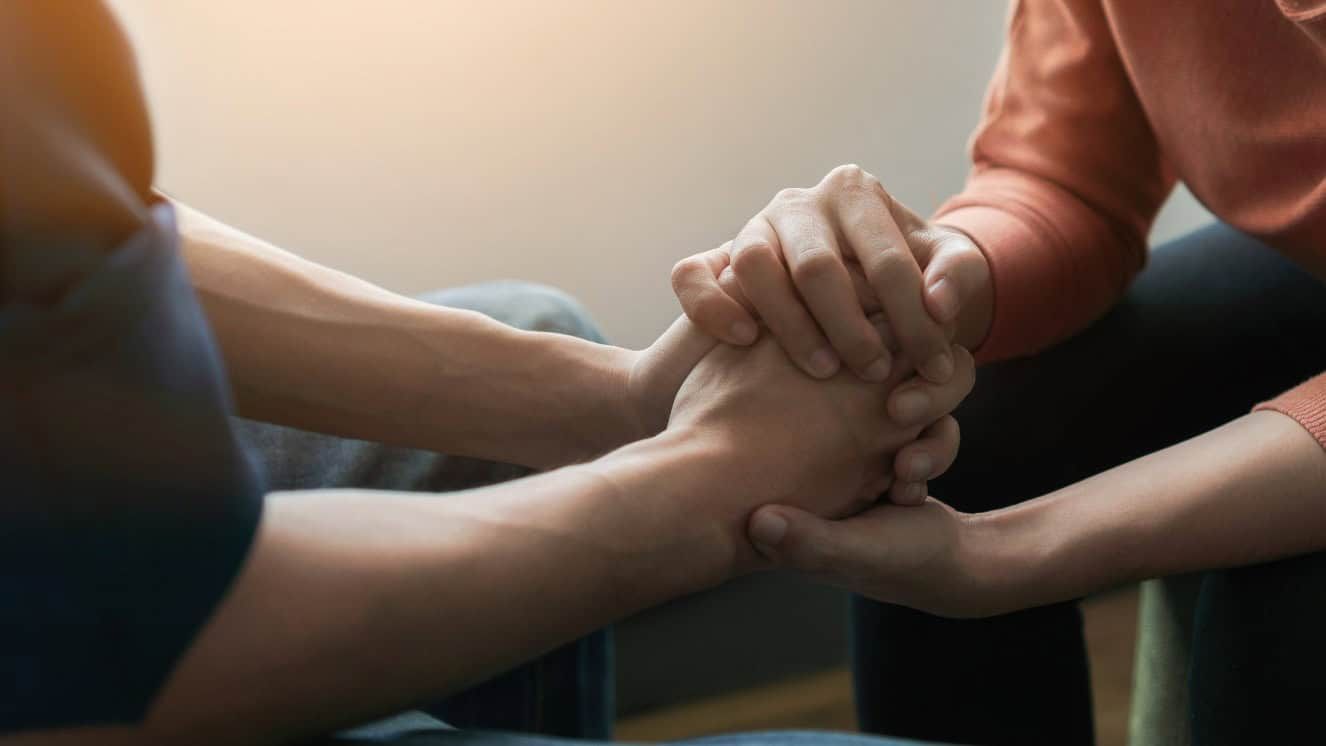
Many people think that support needs to sound a certain way. That it needs to be perfect, that you have to say the right word. In reality, support is much simpler than that. Sometimes, you don’t even need to speak. You can simply show up and just be there for them.
It can look like sitting in the same room without needing to talk, sharing a quiet meal, or even just watching something together. Your presence is what matters to them. Not talking doesn’t mean the connection isn’t there. Most of the time, what someone needs is just a loved one to be there for them during difficult times.

4. Veterans Heal Veterans
A Veteran's experiences during service are difficult to explain to someone who hasn’t lived them. They can try to explain, but they might still feel that you’re not totally getting them. And that’s totally okay.
One thing you can do is help them connect with other Veterans, as there’s a shared understanding within their community. Many groups and organizations are now available for Veterans to connect.
Some of them have highly unique forms of recreational therapy. Leaps of Hope, a 501(c)(3) nonprofit based in Utah, is one good example if they are interested in skydiving as a form of therapy to regain a sense of focus, adrenaline, and camaraderie.
For families, this doesn’t take away the support you’re already giving them. It simply adds another layer of support. The more shared experiences they have within the community, the more balanced the support system becomes.
5. Consult a Professional for PTSD Treatments
A professional can always help, too, and resources are available through the Department of Veterans Affairs (VA) and local Vet Centers. It could feel sensitive, especially if the conversation comes across as pressure. Of course, you don’t want a Veteran to feel pressured, as they are already suffering from something they didn’t choose.
The goal here is not to push them, but to let them know that professional help is available when they are ready. Most of the time, professional help, such as Evidence-Based Psychotherapies (like Cognitive Processing Therapy or Prolonged Exposure), can offer highly effective ways to manage PTSD in veterans.
Remember that going this route isn’t always easy. There might be hesitation, doubt, or even avoidance. And that’s totally normal. Support can always look like keeping the door open.

You Are Not Alone in Your Journey
Supporting a Veteran living with PTSD can sometimes feel overwhelming. There’s always going to be uncertainty, or moments when it’s just getting hard to know what to say and what to do. That’s a normal experience and the difficult part of navigating PTSD with a loved one.
Support goes both ways: for Veterans and families. Everyone needs support, too, as carrying everything alone can lead to burnout, especially if you’re trying to be strong for someone else.
There is no perfect way to do this, but what matters is knowing that support doesn’t have to come from just one person. This is a reminder that supporting veterans with PTSD is a shared journey, and no one has to carry it alone. For them and for you, knowing someone is still there is already more than enough.
If you or a Veteran you know is in crisis, dial 988 and press 1 to reach the Veterans Crisis Line. Support is available 24/7.
Read next:
Continue Reading

Meditation for Veterans: Easing PTSD Symptoms
Lifestyle
Exploring Viable Treatments for PTSD in Veterans
Lifestyle
PTSD Support Programs for Incarcerated Veterans
Lifestyle
Join the Conversation

BY ALLISON KIRSCHBAUM
Veteran, Military History & Culture Writer at VeteranLife
Navy Veteran
Allison Kirschbaum is a Navy Veteran and an experienced historian. She has seven years of experience creating compelling digital content across diverse industries, including Military, Defense, History, SaaS, MarTech, FinTech, financial services, insurance, and manufacturing. She brings this expertis...
Credentials
Expertise
Allison Kirschbaum is a Navy Veteran and an experienced historian. She has seven years of experience creating compelling digital content across diverse industries, including Military, Defense, History, SaaS, MarTech, FinTech, financial services, insurance, and manufacturing. She brings this expertis...