Why Did the VA Send Me This Letter? 7 Types of VA Notices Veterans Get
COMMENT
SHARE

If you’re a Veteran filing for disability benefits, you know the specific anxiety that comes with checking the mail and seeing “Department of Veterans Affairs” in the return address. While the VA sends millions of pieces of correspondence annually, most of them fall into seven distinct categories. Understanding what you’re holding, and more importantly, what you need to do with it, is key to relieving your “VA anxiety.”
Here is your field guide to the seven letters the VA will send a Veteran:
1. The VA Acknowledgement Letter
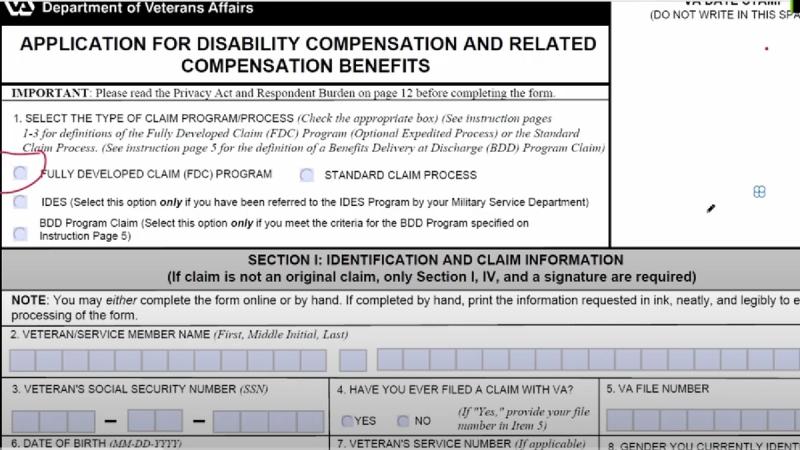
Think of this as a "read receipt." This is typically the first piece of mail you’ll receive after hitting "submit" on your disability claim (Form 21-526EZ). It confirms that the VA has officially received your claim and established a file for you.
This letter is for your records. However, do a quick quality check: ensure your name, file number, and the list of claimed conditions are correct. If the VA missed a condition you intended to claim, you’ll want to catch that error now rather than months later.
2. The Development Letter (Request for Evidence)
This is essentially a "pause" button on your claim, and is exactly as it sounds: a request for more information. The VA sends a Development Letter when they need more information before they can make a decision. This might be a request for private medical records, a DD-214, or "buddy statements" to corroborate a stressor event.
When you receive a development letter, it’s important to act immediately. These letters almost always come with a strict deadline (usually 30 days). Read the fine print: The letter will list exactly what is missing from your claim and what you need to do to provide it.
An important tip is to upload your documentation and avoid mailing it back if possible. Uploading the requested documents directly to VA.gov or the QuickSubmit tool rather than mailing them is more secure, faster, and you’ll be able to guarantee it was received. You may also request an extension if you can't get your new documentation in time. Notify the VA immediately to prevent them from deciding your claim without that evidence.
Military Benefits Eligibility Checker
Answer a few questions to discover which military and VA benefits you or your family may be eligible for.
10 questions · ~2 min
3. Compensation and Pension (C&P) Exam Notification
This letter serves as your summons to a Compensation and Pension (C&P) exam. This medical appointment is arguably the most critical step in your claim, as the examiner’s report will largely determine if your condition is service-connected and how severe it is.
Note that this letter may come from a third-party contractor like VES, QTC, or Optum, rather than the VA itself. As with any medical appointment, don’t miss it.
A missed exam is the fastest route to a claim denial. Call the number on the letter to confirm the time and location. You can also check the status of your appointment in the VA app on your smartphone.
Before your appointment, be sure to review the Disability Benefit Questionnaire (DBQ) for your specific condition, so you know what questions the doctor will ask.
4. The Rating Decision Letter
This detailed document explains the outcome of every condition you claimed, the "verdict" on your claim. It will list each disability, whether it was granted or denied, and the percentage rating assigned. Crucially, it includes a "Reasons for Decision" section, which explains the medical and legal logic the rater used.
When you receive this letter, read the "Reasons for Decision" section carefully, especially for any denials. If the VA denied a claim because of a "lack of nexus," you know exactly what evidence you need for an appeal (e.g., a medical opinion linking the condition to service).

5. Notice of Action Letter
Often attached to the Rating Decision, this letter focuses on the financial and administrative results of the decision. It summarizes your combined disability rating, your monthly payment amount, and the effective date of your pay.
It also outlines your right to appeal if you disagree with the decision. When you get this letter, the first thing you should do is ensure the pay start date matches your initial filing date (or Intent to File date).
A mistake here could cost you months of back pay. If your rating is 30% or higher, check if your spouse and children are listed. If not, you are missing out on additional monthly compensation.
6. VA Award Letter (Benefit Summary Letter)
While the Rating Decision is for you, the Award Letter is for everyone else. This is the official proof of your status and income. You will need this letter to prove you are a disabled Veteran for third-party benefits, such as: VA Home Loan funding fee waivers, property tax exemptions, disabled Veteran license plates, and student loan forgiveness.
Keep both the hard copy and the digital copy accessible. You can generate and download an up-to-date version of this letter anytime via the VA’s online letter tool or the smartphone app. You rarely need to wait for the mail for this one.
7. The Proposal to Reduce (Due Process Letter)
Of all the letters the VA sends, this one arguably causes the most anxiety. If the VA reviews your file—often following a routine future examination—and determines that a service-connected condition has materially improved, they will send a "Proposal to Reduce" your rating. Do not ignore this letter.
It is not a final decision yet, but the clock is ticking. You have exactly 30 days to request a hearing to pause the reduction, and 60 days to submit new medical evidence proving your condition has not improved. If you miss these deadlines, the VA will finalize the reduction, and your monthly compensation will drop.
Final Thought: Digitize Your Defense
The golden rule of dealing with the VA is to never trust the mail alone. Letters get lost, delayed, or sent to old addresses. Make it a habit to log in to VA.gov or the VA Health and Benefits mobile app regularly. You can often see decision letters and exam notifications online days or weeks before the brown envelope arrives in your mailbox.
Continue Reading
$50 Billion Is Hitting Rural Healthcare: Here’s Why Veterans May See the Impact First
Veteran Benefits

He Built REI and Conquered Everest: Remembering Army Veteran Jim Whittaker
Military History

Military Terminal Leave: 13 FAQs and Expert Answers
Career
Join the Conversation

BY MICKEY ADDISON
Military Affairs Analyst at VeteranLife
Air Force Veteran
Mickey Addison is a retired U.S. Air Force colonel and former defense consultant with over 30 years of experience leading operational, engineering, and joint organizations. After military service, he advised senior Department of Defense leaders on strategy, readiness, and infrastructure. In additi...
Credentials
Expertise
Mickey Addison is a retired U.S. Air Force colonel and former defense consultant with over 30 years of experience leading operational, engineering, and joint organizations. After military service, he advised senior Department of Defense leaders on strategy, readiness, and infrastructure. In additi...